Category Economy

Economy

The Data Gold Rush: Why Genomic Biobanks are the New Front Line in Geopolitical Privacy Wars

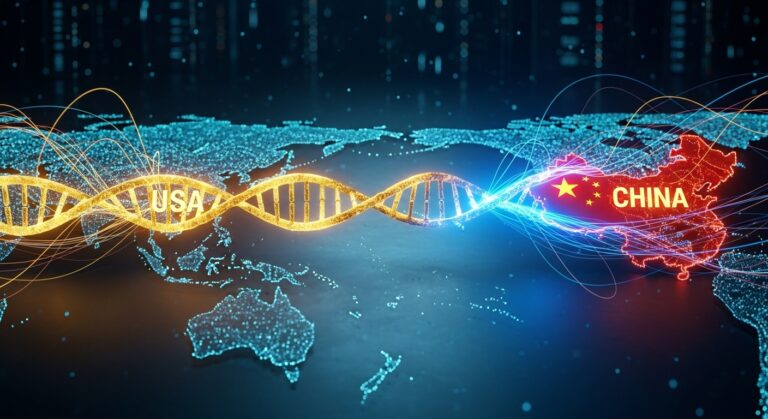
The new frontier of global power is human DNA. Genomic biobanks have ignited a 'Data Gold Rush', turning personalized medicine into a strategic geopolitical asset. this article explores the economic potential of the biobanks market, the growing US-China Biotech rivalry and various ethical and privacy challenges. Dive into the analysis to know how your DNA has become the world's most contested asset

New Green Debt Trap: Why Africa Needs Sovereignty Over Critical Minerals

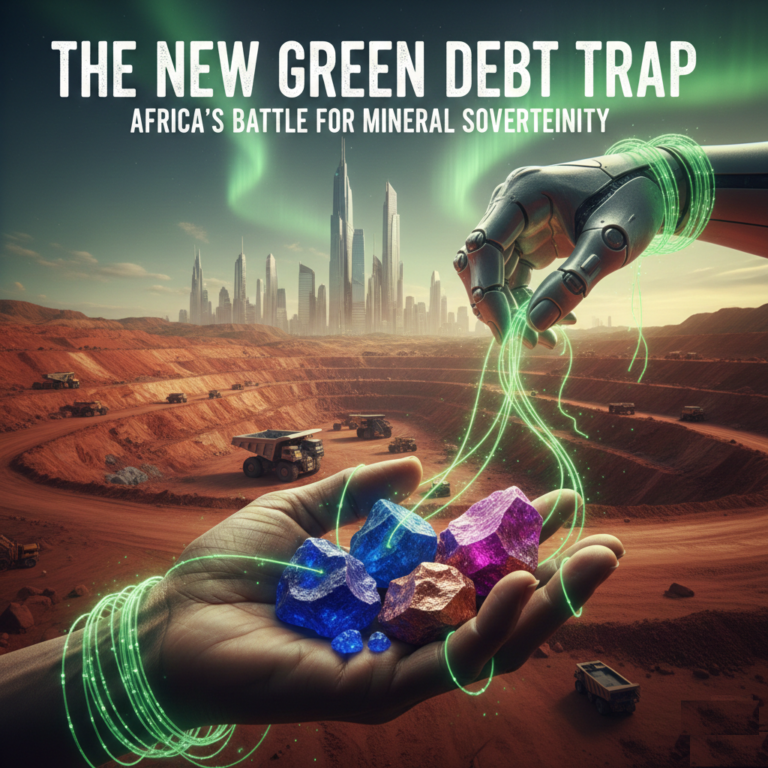
The New Green Debt Trap: Why Africa Needs Sovereignty Over Critical Minerals

The development of a global green transition needs batteries, electric cars, and renewable energy materials. These then depend on minerals: cobalt, lithium, nickel, manganese, graphite, and rare earth elements. The continent holds a vast reserves of these resources, however it exports as ores and imports finished products. Such a development leaves no choice but starts a debt trap.

Border Carbon Taxes and Green Protectionism: A New Risk for Developing Countries

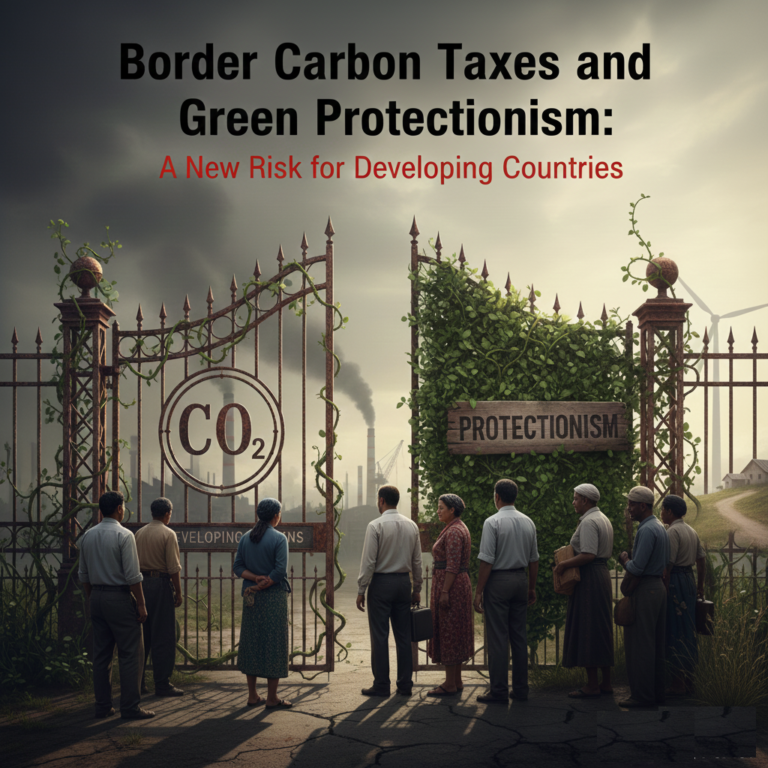
Border Carbon Taxes and Green Protectionism: A New Risk for Developing Countries

The fight against climate change has reached the customs border. While wealthier nations accelerate their transition to green energy, they are increasingly concerned about "carbon leakage". These nations fears that carbon-intensive industries will simply move production to countries with weaker environmental regulations to avoid high domestic carbon costs.

FROM HIMALAYAN GLACIERS TO INDUS FLOODS: WHY PAKISTAN’S CLIMATE CRISIS DEMANDS COP29’S NEW CLIMATE FINANCE PLEDGES

A dramatic landscape showing a large, winding river flowing from melting Himalayan glaciers through a valley and flooding a rural village and farmland below. The glaciers are visible high in the misty, snow-capped mountains, feeding the swollen river. The floodwaters surround houses and fields in the foreground.

Despite being a low emitter, Pakistan ranks 8th on the Global Climate Risk Index. Pakistan needs $348B by 2030 in climate finance, to build resilience against Himalayan glacier melt and Indus floods. The COP29 New Collective Quantified Goal (NCQG) must deliver grant-based, debt-free financing to stabilize this vulnerable economy and uphold global climate justice.