
Ms. Shanzay Hassan, Resource Economist and Environmental Sociologist

Shanzay, DepthAnalysis

Ms. Shanzay Hassan, Resource Economist and Environmental Sociologist holds a Master’s degree in Resource Economics and Environmental Sociology from the University of Alberta, where she developed a strong interdisciplinary foundation in sustainable resource management, environmental policy, and socio-economic analysis. Her academic and research experience equips her with the ability to combine rigorous economic evaluation with a deep understanding of the social and environmental dimensions of resource use. She is skilled in both quantitative and qualitative research methods, and is particularly interested in issues of sustainability, equity, and the socio-economic impacts of environmental change. Ms. Hassan brings a thoughtful, evidence-driven approach to analyzing complex global challenges, making her well-suited for roles involving policy research, sustainability assessments, and data-informed decision-making.

Why Everything Feels Expensive Even When Salaries Rise

Why Everything Feels Expensive Even When Salaries Rise - DA

The alert pings. You look down and see the number unexpectedly. The number you’ve been wanting for what seems like forever is right there on your screen, and in an instant, the world has become a little bit lighter. The raise is now yours! You can breathe again, allow yourself to have a celebratory dinner, and the feeling of the safety net finally being created underfoot begins to set in. Then slowly but surely, the months start connecting, and the stark reality hits you: The safety net is still non-existent. You feel that everything is still expensive even when salaries rise.
New Green Debt Trap: Why Africa Needs Sovereignty Over Critical Minerals

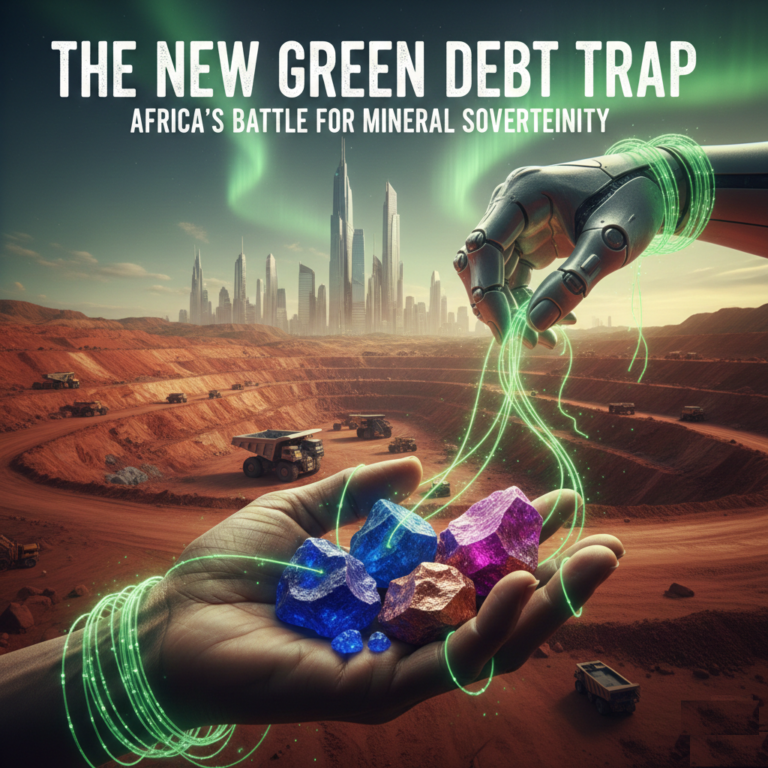
The New Green Debt Trap: Why Africa Needs Sovereignty Over Critical Minerals

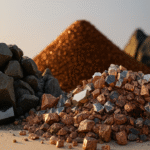
The development of a global green transition needs batteries, electric cars, and renewable energy materials. These then depend on minerals: cobalt, lithium, nickel, manganese, graphite, and rare earth elements. The continent holds a vast reserves of these resources, however it exports as ores and imports finished products. Such a development leaves no choice but starts a debt trap.