
Arooj Saleem, Biomedical Scientist

Arooj, Team DepthAnalysis

Arooj Saleem is a Biomedical Scientist with a Master’s degree from the National University of Sciences & Technology (NUST), Pakistan. She offers a scientifically grounded and insight-driven perspective on a broad range of global challenges. As a STEM professional and contributing writer, she focuses on bridging scientific knowledge with real-world issues. Her interests span climate change, sustainable development, public health, and the global economy, with a particular emphasis on how these interconnected forces shape geopolitics and international diplomacy. Drawing on rigorous academic training and research experience, she brings strong analytical and data-driven capabilities to her work. She is particularly committed to translating complex concepts from the life sciences and materials innovation into clear, policy-relevant insights that advance sustainable, equitable, and resilient development.

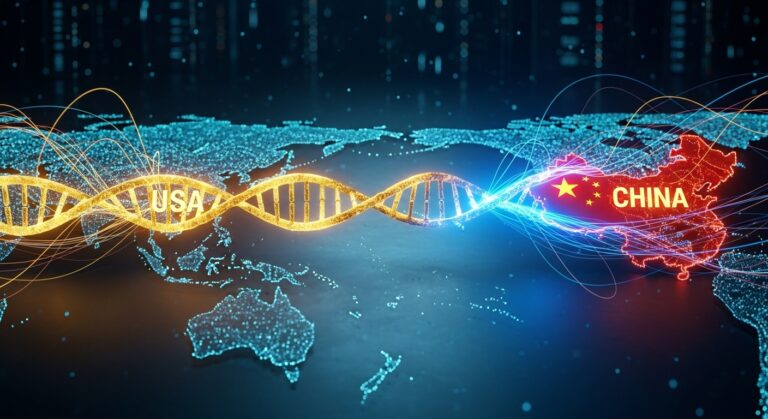
The Data Gold Rush: Why Genomic Biobanks are the New Front Line in Geopolitical Privacy Wars

The new frontier of global power is human DNA. Genomic biobanks have ignited a 'Data Gold Rush', turning personalized medicine into a strategic geopolitical asset. this article explores the economic potential of the biobanks market, the growing US-China Biotech rivalry and various ethical and privacy challenges. Dive into the analysis to know how your DNA has become the world's most contested asset

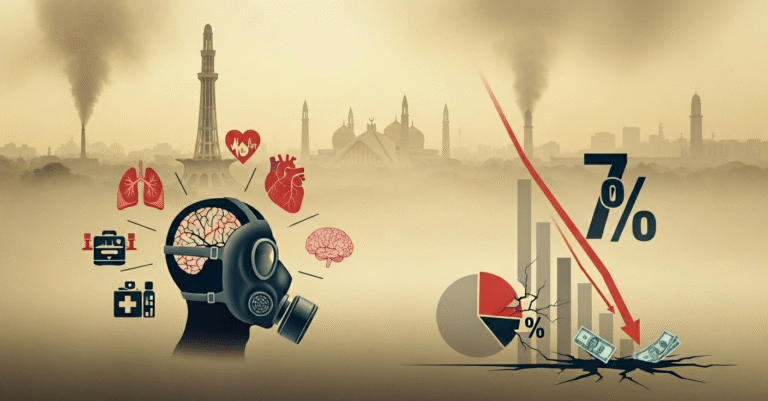
FROM HIMALAYAN GLACIERS TO INDUS FLOODS: WHY PAKISTAN’S CLIMATE CRISIS DEMANDS COP29’S NEW CLIMATE FINANCE PLEDGES

A dramatic landscape showing a large, winding river flowing from melting Himalayan glaciers through a valley and flooding a rural village and farmland below. The glaciers are visible high in the misty, snow-capped mountains, feeding the swollen river. The floodwaters surround houses and fields in the foreground.

Despite being a low emitter, Pakistan ranks 8th on the Global Climate Risk Index. Pakistan needs $348B by 2030 in climate finance, to build resilience against Himalayan glacier melt and Indus floods. The COP29 New Collective Quantified Goal (NCQG) must deliver grant-based, debt-free financing to stabilize this vulnerable economy and uphold global climate justice.