
Forget gold and oil. Today the most valuable commodity on Earth is your DNA, and the global powers are already competing to weaponize this genomic data. Genomic Biobanks have established a Data Gold Rush. This has transformed the individual genomic sequence from scientific to the strategic geopolitical assets. Personalized Medicine and International Rivalry dominate this new front-line. It is also involves the unaddressed challenges to Privacy, Ethics and National Security.
GENOMIC BIO BANKS AND THE DATA GOLD RUSH
Biobanks collect biological and linked health information to support scientific research. Big Consortia, like UK Biobanks, are key examples.
Personalized Medicine and Economic Growth:
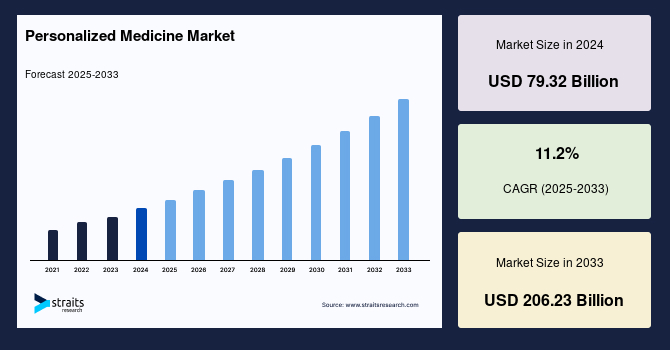
Genomic Biobanks are revolutionary in supporting ongoing and future research in precision and personalized medicine (PPM). Sequencing the human genome will lead to more effective prevention, diagnosis, and treatment. This will enhance the quality of life, improve clinical practices and lower healthcare costs via the targeted care pathways. As current healthcare inefficiencies have a substantial impact on the major economies like USA and China, and thus the world economy.
The global biobanks market was $82B in 2024 and will reach $170B by 2033. BioPharma Industry is the main driver behind this economic growth. Clinical Research and Drug Discovery are the consumers of this high-quality data.
‘Sustainability’ of a biobank is central to remain effective and operative in the market. Hence, balancing the operational, financial and social dimensions of biobanks is important. Currently, Europe and North America hold the largest market share while the Asia-Pacific Region is projected to be the fastest growing market. The state sponsored initiatives such as China’s Kadoorie Biobank drives the change.
ECONOMIC AND GEOPOLITICAL RIVALRY
This economic boom has initiated an economic and geopolitical tussle where genomic biobanks are the new front lines, and data security has become a challenging task. The fight to control and secure vast and population-scale datasets has transformed genomics into strategic industrial assets.
This biorepository is a fuel for the next generation of AI and bioeconomy. High quality, reliable and accurate terabytes of data are required by algorithms to identify disease pathways and speed up the drug discovery. The global Medical AI market will be worth $12B by 2030.
The US-China Biotech Rivalry:
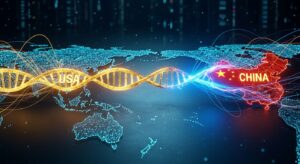
US-China trade and technology relationship become tensed during the Trump administration’s trade war. This has manifested in the complex web of commerce, policy and national security concerns. The Harvard Belfer Center for Science and International Affairs has noted that, “China has the most immediate opportunity to overtake the US in biotechnology.” The slim US-China gap in biotech suggests that developments in future could rapidly shift the global balance of power.
China’s biotech power stems from its supremacy in pharmaceutical production and manufacturing. This is due to the China’s national strategy to develop its industries that has made China in a position to develop its medical products faster and in cheaper rates. In contrast, the US government lacks a cohesive biotechnology strategy and faces longer approval processes and R&D periods.
China’s Ambitions: China has invested around $9.2B in the China Precision Medicine Initiative over the past 15 years. Alibaba’s Ali Cloud partnered with sequencing giants like BGI to launch AI- integrated cloud platforms.
USA’s Countermeasures: In response, US has imposed tough regulatory measures to secure its data pool by proposing BIOSECURE Act (2024). The aim is to prohibit the federal funding to the US biotech companies associated with foreign entities especially China (WuXi App Tech, MGI, BGI).
Global Sequence Supply and Conflict:
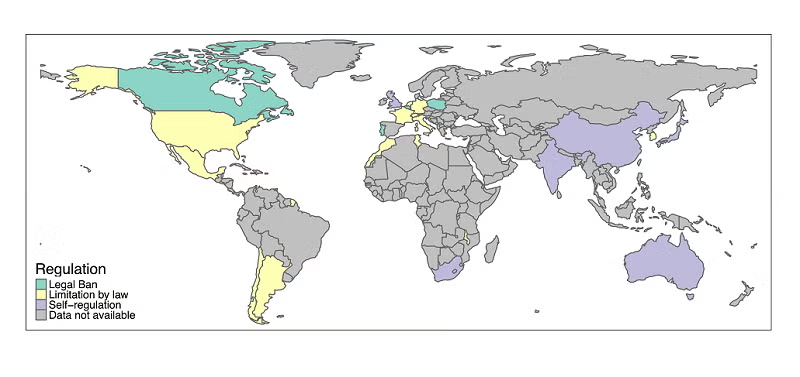
Traditionally, Illumina dominates the global Next-Generation Sequencing (NGS) market. In March 2023, The US Dept. of Commerce placed BGI on its trade Entity List citing security concerns over genetic data collection. China retaliated by banning Illumina’s sequencing instruments export in February 2025. This highlights the use of sequence technology as the main point of dispute in the biotech dispute.
Genomic Data as the National Security Asset:
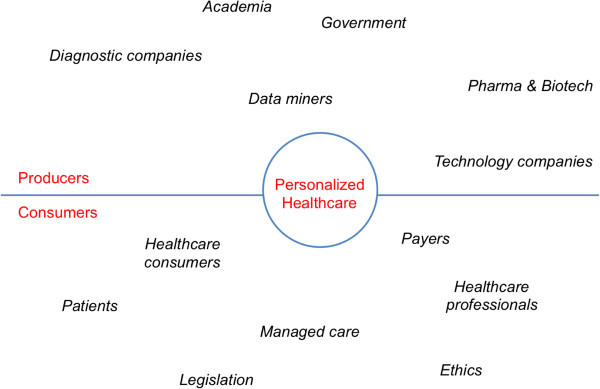
Foreign access to genetic data has created national security concerns among the nations. This weaponization of genomic data is driven by Biodefence and Surveillance. As this data can help in predicting a population’s health trends and targeting, hence becoming a bioweapon. A sustainable regulatory framework is needed to balance the national interests in the public health and national security while maintaining the participant’s individual right to autonomy.
SOCIAL AND ETHICAL DIMENSIONS OF THE GENOMIC BIOBANKS
The huge scale and the transnational nature of these biobanks have posed social and ethical complexities. There is a conflict between a person’s right privacy and autonomy. Biobanks e.g. UK Biobanks, now adopted a Broad Consent model for multiple future projects rather than the informed consent for one. This may result in oversight ethics.
Anonymity is also a concern, but it is technically impossible as each human genome is unique. Consequently, this has raises issues like data breaches, re-identification risks and discrimination and stigmatization especially of marginalized and indigenous communities. This will lead to the exploitation of biological samples in these countries. The governance of biobanks must be regulated and balanced to cater for the needs of scientific research. It should also provide trustworthiness and recognition of the participants.
Another dimension is the Environmental Impact. Huge computational infrastructure is required to manage genomic data banks. These peta-byte-scale biobanks are highly energy- dependent, consuming vast volumes of water for cooling. Hence linked to an increased carbon-foot print. Federal infrastructures like European Genomic Data Infrastructure (GDI) can manage the environmental burden and ethical metrics.
CONCLUSION AND FUTURE OUTLOOK
Diagnostics efficiency, therapeutic tools and precision medicine are the promises of the Genomic Biobanks. Opportunities lie in the AI drug discovery and precision data models. However, the nations are also dealing with the threats of privacy, geopolitical and economic fights over the datasets making the human genome as a tool of national power. Resultantly, this has created fragments in the global research ecosystem. Hence, the Policymakers must create a harmony between the international scientific collaborations and the national security conflicts. This is pivotal to shaping the future of technological innovation and global progress for decades to come.